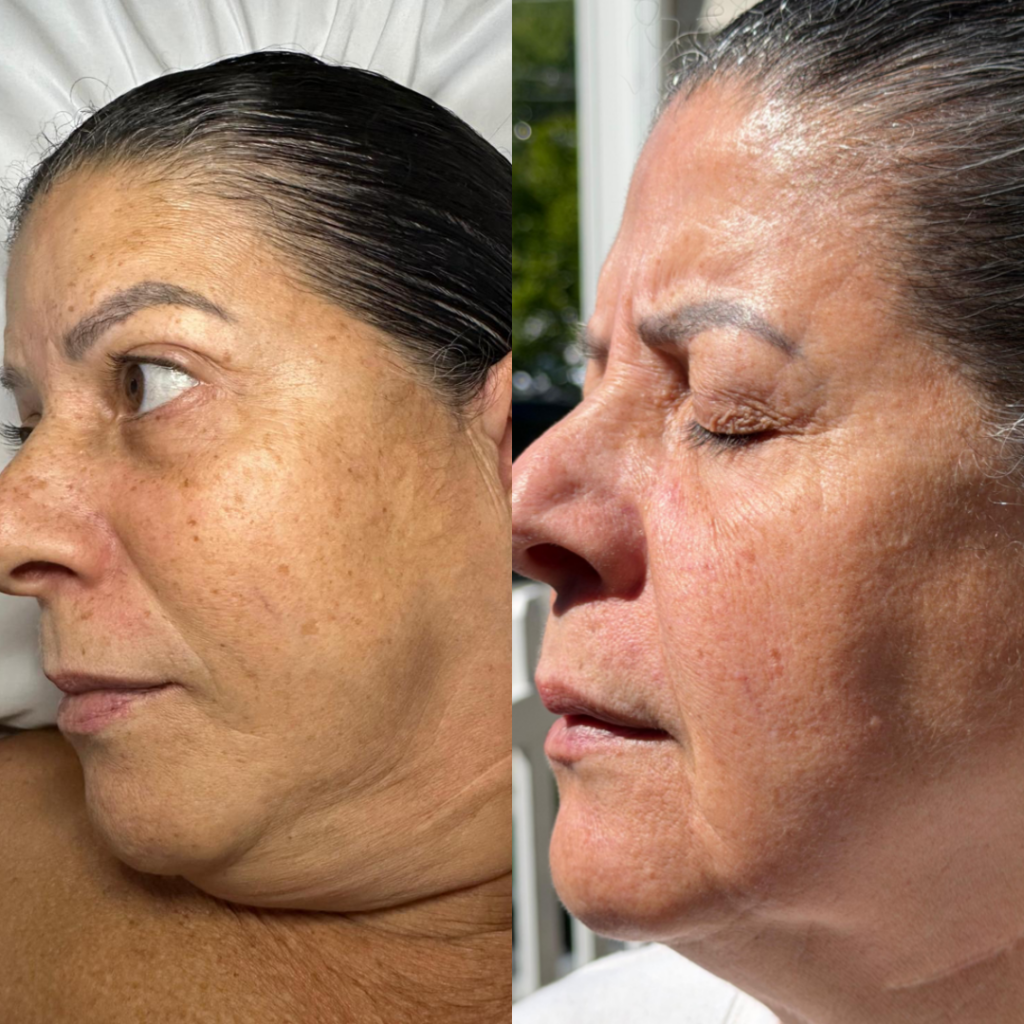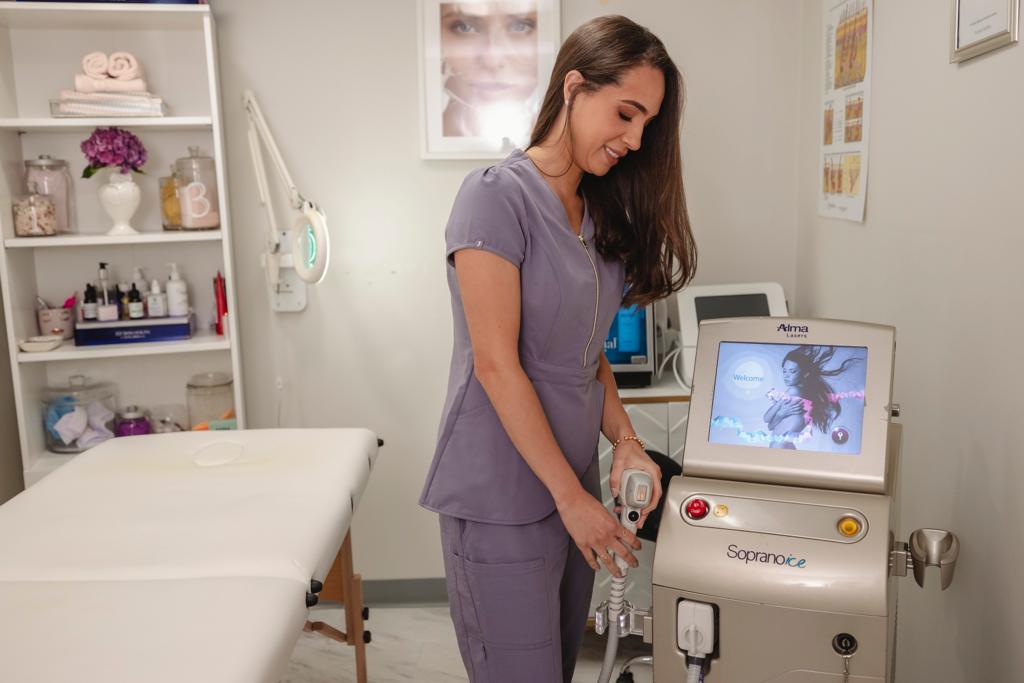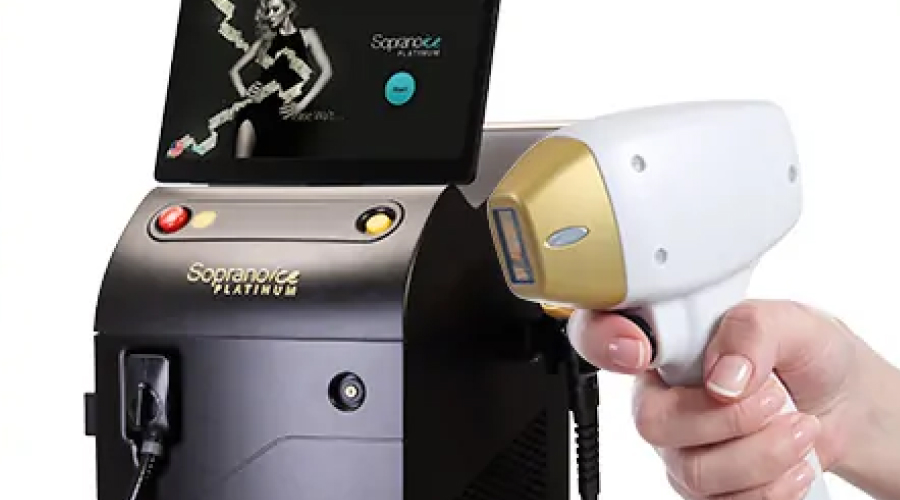

If you started researching laser hair removal and stumbled across stories about hair coming back thicker – or even spreading – you are not overreacting by asking questions. Can laser hair removal cause more hair growth? In some cases, yes, but not in the way most people fear, and not as the typical result of a well-planned treatment series.
This concern usually points to a specific side effect called paradoxical hypertrichosis. It sounds alarming, but it is uncommon, and it tends to happen under very particular circumstances. For most patients, laser hair removal reduces hair growth over time. The key is understanding why those rare exceptions happen, who may be more likely to experience them, and how provider skill makes a real difference.
Yes – but this is not the same as laser treatment suddenly creating brand-new hair follicles everywhere. What people usually mean is that fine, light, or dormant hairs in the treatment area or just outside it seem to become darker, coarser, or more noticeable after treatment.
That reaction is most often described as paradoxical hypertrichosis. Instead of disabling the follicle, the heat from the laser may stimulate certain hairs that were not ideal treatment targets in the first place. This is more likely to involve finer hair rather than thick, dark terminal hair, which is what laser devices typically treat best.
So if you are worried that laser hair removal always makes hair worse, the answer is no. If you are asking whether it can happen in a small subset of patients, the answer is yes.
Laser hair removal works by targeting pigment in the hair follicle. The energy heats the follicle and disrupts its ability to keep producing hair. That is why the treatment tends to work best when there is a strong contrast between the hair and the surrounding skin, and when the hair itself is dark and coarse.
Problems can happen when the treated hair is too fine, too light, or hormonally sensitive. In those cases, the energy may not be strong enough to properly disable the follicle. Instead, it may create low-level thermal stimulation. Rather than shutting the follicle down, that stimulation may encourage some hairs to transition into a thicker growth pattern.
This is one reason consultation matters so much. Not every area with visible hair is automatically a great candidate for laser treatment. Cheeks, jawline, neck, upper arms, and parts of the back can be trickier in some patients, especially when the hair is soft and wispy rather than dense and coarse.
The risk is still considered low, but some patterns show up more often than others. Patients with underlying hormonal influences may be more vulnerable. That includes women dealing with PCOS, thyroid imbalance, insulin resistance, or unexplained facial hair changes.
Skin tone and hair type can also matter. Reports of paradoxical hair stimulation have been seen more often in patients with darker skin tones and in people treating finer facial hair. That does not mean laser is off the table. It means the treatment plan needs to be thoughtful, device selection matters, and expectations should be honest from the start.
The treatment area itself also plays a role. Areas with coarse underarm or bikini hair generally respond more predictably than areas with fine facial fuzz. A patient may be an excellent laser candidate for one part of the body and a poor candidate for another.
This is where a lot of confusion starts. Sometimes what looks like more hair growth is not paradoxical stimulation at all. It may be one of several normal or expected scenarios.
First, hair grows in cycles. Laser only affects follicles that are in the active growth phase at the time of treatment. That means some hairs were always going to show up later because they were dormant during the earlier sessions. It can feel like the hair is returning, when really those follicles had not been fully treated yet.
Second, hormonal hair growth can continue over time even after a successful series. If your body is getting new signals to produce hair – especially on the chin, jawline, or neck – laser cannot stop the hormonal trigger itself. It can reduce existing growth, but maintenance may still be needed.
Third, shaving between sessions can make hair feel blunt as it grows out. That can create the impression of thicker hair, even when the follicle is actually becoming weaker.
A trained provider should help you tell the difference between expected shedding, cyclical regrowth, hormonal changes, and the uncommon chance of paradoxical stimulation.
The biggest protection is not guessing. A proper assessment should look at your skin tone, hair color, hair density, medical history, hormones, and the exact area you want treated.
Choosing the right laser for your skin and hair type is also essential. Different devices are better suited for different patients, and settings should never be copied from one person to the next. Too little energy may be ineffective. Too much may raise the risk of irritation or pigment changes. The goal is precise treatment, not aggressive treatment.
This is also why treating very fine facial hair just because it is visible can be the wrong move. In some cases, another approach may be better than laser, or a provider may recommend monitoring the area rather than jumping in.
If there is a suspicion of hormonal imbalance, that should be addressed as part of the bigger picture. Laser can still help, but treatment may need to be paired with medical evaluation and realistic maintenance planning.
A quality consultation should feel educational, not pushy. You should leave knowing whether you are a strong candidate, a borderline candidate, or better suited for another option.
That conversation should cover the color and texture of your hair, any recent changes in facial or body hair, medications, skin sensitivity, sun exposure habits, and whether your goals match what laser can realistically deliver. If a provider skips over the nuance and treats every patch of hair the same way, that is a red flag.
At New Beauty Aesthetics, this personalized approach is part of what helps patients feel more confident moving forward. The safest and most satisfying results usually come from treatment plans built around the individual, not a one-size-fits-all package.
It is easy to focus on the exception and forget the overall track record. For the right candidate, laser hair removal remains one of the most effective ways to reduce unwanted hair and simplify daily maintenance.
Patients with coarse, dark hair in areas like the underarms, bikini line, legs, and under certain circumstances the face, often see meaningful reduction after a series of treatments. Many love the freedom of fewer ingrown hairs, less shaving irritation, and smoother skin.
The point is not to avoid laser because a rare side effect exists. It is to choose treatment with clear eyes, expert guidance, and the right expectations.
Do not panic and do not keep booking sessions without reassessment. If you notice hair getting darker, denser, or spreading, bring it up early. Photos can help track whether it is true change or just part of the normal treatment cycle.
Your provider may recommend adjusting the settings, changing the treatment interval, stopping treatment in that area, or looking into hormonal contributors. Sometimes the right next step is continuing with a revised plan. Sometimes it is pausing and choosing a different method.
The most important thing is to avoid self-blame. If something does not look right, that does not mean you did anything wrong. It means your treatment plan may need a closer look.
A thoughtful provider will never promise that every area on every person responds perfectly. What they should promise is honesty, careful evaluation, and a plan that puts your long-term results first. If you are considering laser hair removal, the best next step is not fear – it is getting answers that are specific to your skin, your hair, and your goals.
Newbeauty Aesthetics
Over $1.000 in value
INCLUDED EVERY MONTH:
Your Choice of One:
MEMBERS-ONLY PERKS:
Add Fotona Laser for only $200/month 20% OFF Halo Laser & BBL Laser Treatments
$50 Birthday Credit (toward any procedure)
Earn Rewards via Alle App (Botox loyalty program)
6-Month Commitment Required
Perfect for consistent skin rejuvenation and wellness support-with exclusive member pricing on upgrades and advanced treats.
315 Main Street, Melrose, MA 02176 • 731-526-3265